
_400x.jpg?w=1000&h=1500)
_400x.jpg?w=1000&h=1500)
_400x.jpg?w=1000&h=1500)
_400x.jpg?w=1000&h=1500)
_400x.jpg?w=1000&h=1500)
_400x.jpg?w=1000&h=1500)
-0_400x.jpg?w=600&h=900)

-0_400x.jpeg?w=534&h=800)
There are few dress codes that cause more hesitation than semi-formal.
Formal is easy to picture. Casual is easy to understand. Semi-formal lives somewhere in between—which is exactly what makes it so useful, and sometimes so confusing.
Should you wear a midi dress or a maxi? Is a mini dress appropriate? Can you wear satin? What separates a semi-formal wedding guest look from a cocktail dress?
The simplest answer is this:
Semi-formal dressing should feel polished and occasion-ready without looking overly ceremonial.
It is more elevated than everyday dressing, but it usually leaves more room for movement, personality and modern styling than traditional formalwear.
The key is not choosing the most elaborate dress in the room. It is choosing the right balance of silhouette, length, fabric and detail for the occasion.
Here is how to get that balance right.
What Does Semi-Formal Really Mean?
Think of semi-formal as the space between smart daytime dressing and full evening formalwear.
A semi-formal dress should look intentionally dressed up, but it does not necessarily require a floor-length gown, dramatic embellishment or black-tie styling.
That is why knee-length and midi dresses are such natural choices for the dress code.
They create enough structure and presence to feel special while remaining versatile enough for weddings, cocktail parties, dinners, receptions, work celebrations and other events where a full evening gown may feel unnecessary.
A good semi-formal outfit usually has at least one element that elevates it beyond everyday clothing: an architectural neckline, refined fabric, elegant draping, asymmetric construction or a more defined silhouette.
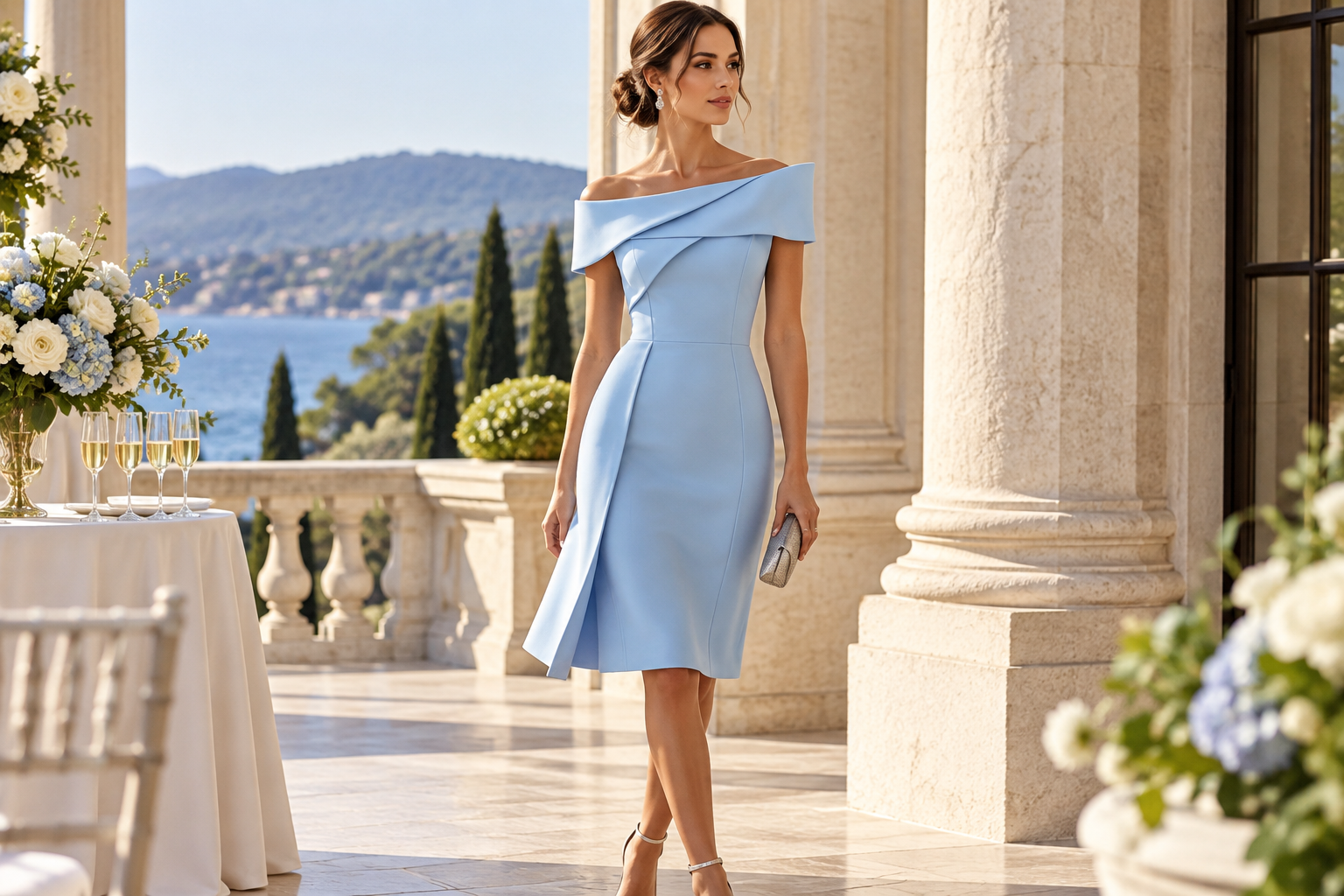
Chiclody's The Stellacette, for example, combines an off-the-shoulder neckline with a layered asymmetric knee-length silhouette. The shape feels noticeably more special than a day dress, while the shorter length keeps it from becoming overly formal.
1. Start With Length: Knee-Length and Midi Are the Safe Ground
When an invitation simply says “semi-formal” and gives no other clues, knee-length and midi dresses are usually the easiest place to begin.
Both lengths sit naturally between casual dressing and evening gowns.
A knee-length dress tends to feel slightly sharper and can work particularly well for daytime celebrations, receptions and business-related events.
Midi dresses have even more range. They can look relaxed in chiffon, sophisticated in structured fabric, or evening-ready in satin.
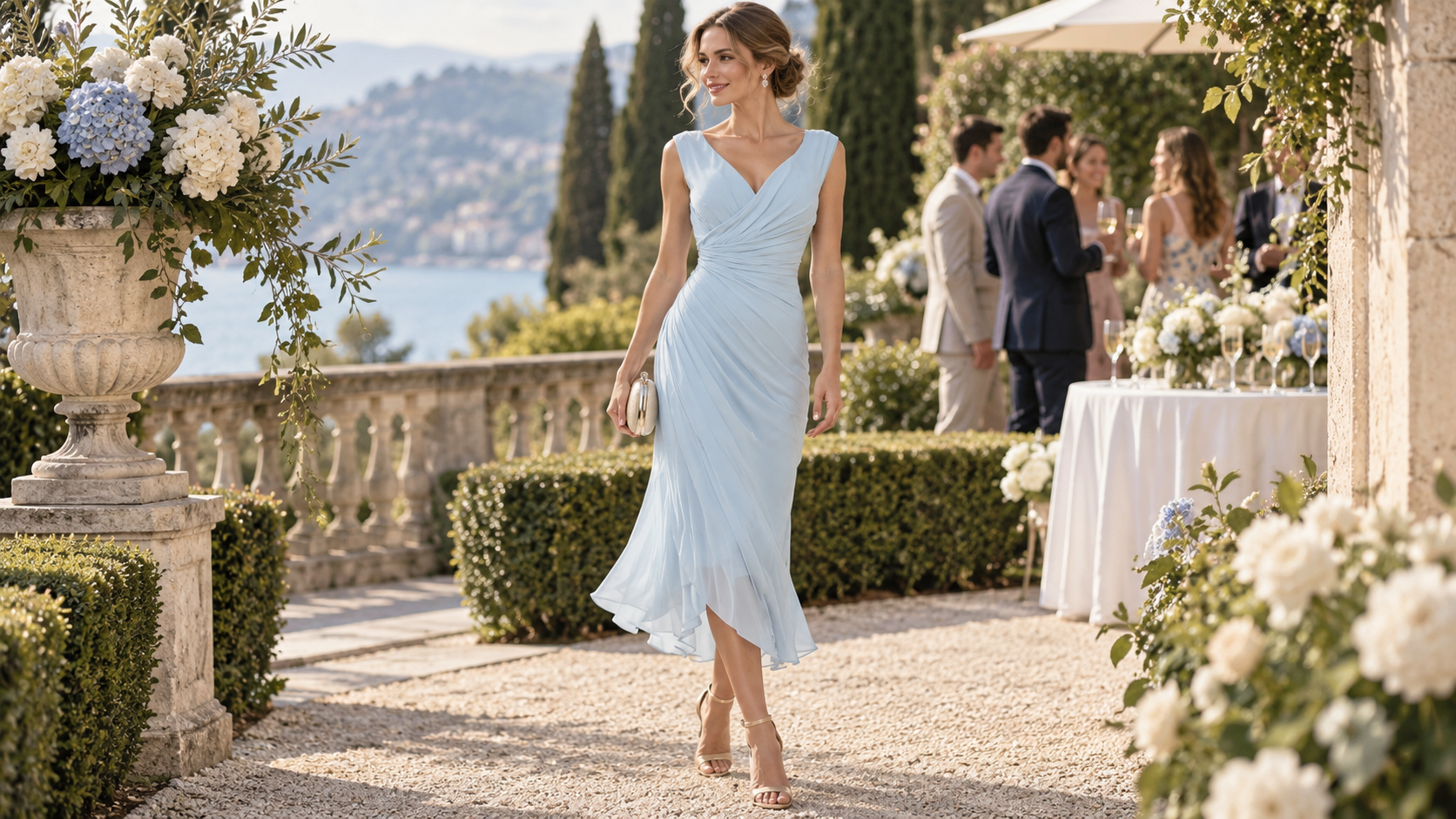
Consider a soft chiffon style such as a light blue cross-over midi dress. The movement of chiffon adds elegance without making the outfit feel heavy, while the midi proportion keeps the overall look balanced. Chiclody's light blue semi-formal chiffon midi uses exactly this combination: a cross-over neckline, sleeveless silhouette and fluid midi length.
The goal is not to follow one exact hemline rule.
It is to make sure the proportion feels appropriate for both the venue and the time of day.
2. For a Semi-Formal Wedding, Let Fabric Do Some of the Work
A semi-formal wedding gives you more freedom than a black-tie celebration, but the outfit should still feel deliberate.
This is where fabric becomes important.
Satin, chiffon, crepe and softly structured fabrics can elevate a relatively simple silhouette without requiring heavy embellishment.
For an afternoon wedding, softer colors and fluid fabrics often feel natural. For an evening reception, deeper colors, satin finishes and more defined silhouettes can shift the same dress code toward a dressier mood.
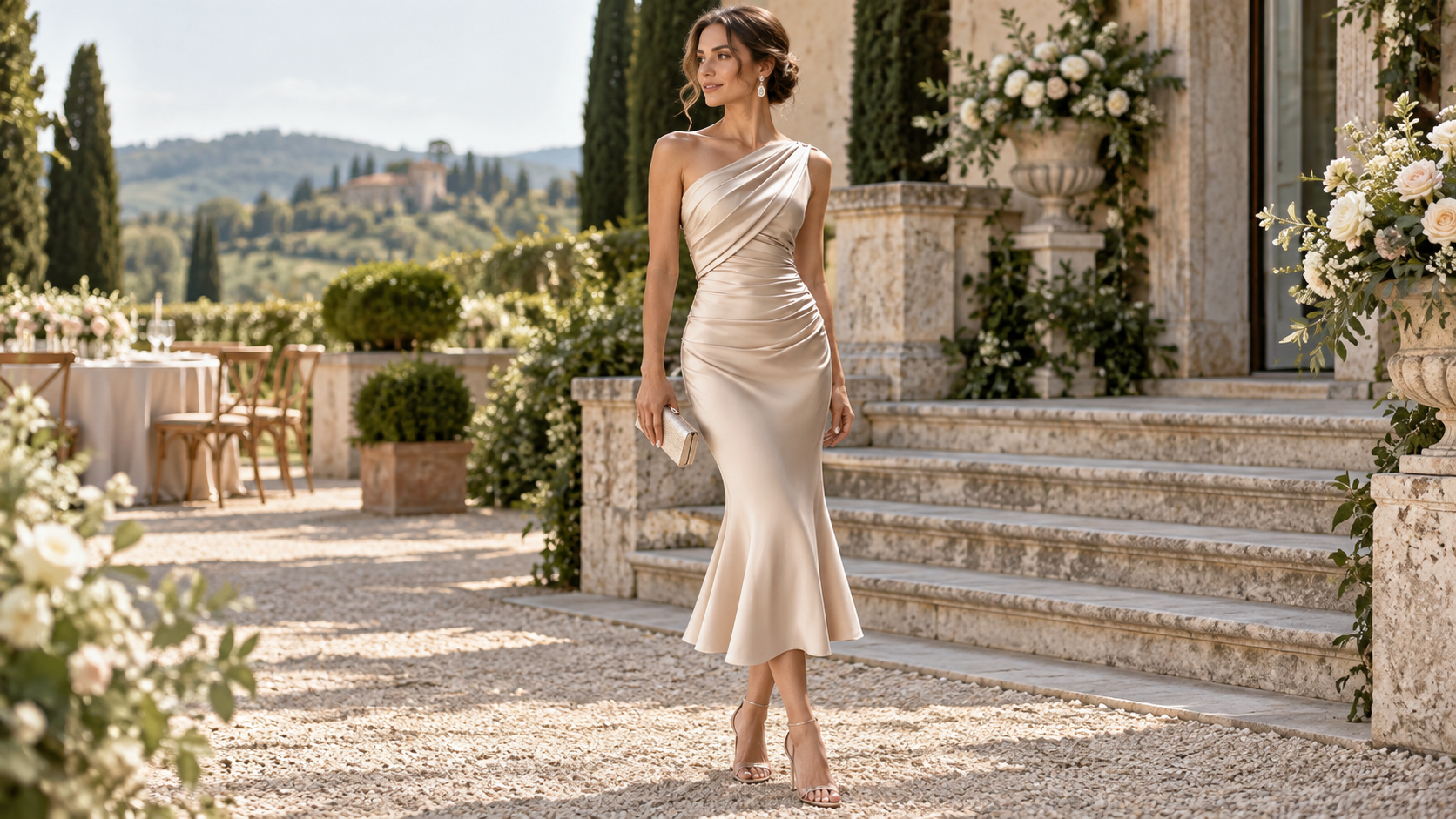
A one-shoulder satin midi dress is a particularly effective example.
The asymmetrical neckline creates a focal point, while satin introduces just enough luminosity to distinguish the look from everyday dressing. A trumpet or softly fitted silhouette adds definition without needing sequins or excessive decoration.
Chiclody's champagne semi-formal wedding guest dress combines a one-shoulder neckline, satin finish and trumpet-mermaid shape in a midi silhouette—an example of how cut and fabric can make a relatively restrained dress feel occasion-ready.
What to Avoid at a Semi-Formal Wedding
Avoid treating “semi-formal” as another word for casual.
Very casual sundresses, everyday jersey dresses, beachwear and heavily distressed or informal fabrics can feel underdressed.
At the opposite end, an elaborate ball gown may feel too ceremonial unless the venue or invitation suggests a more elevated dress code.
And, as with any wedding, consider the couple's requested dress code, venue and cultural expectations before choosing color or styling.
3. For Work Events, Choose Structure Over Drama
Semi-formal work events require a slightly different balance.
You still want to look dressed for an occasion, but the outfit should retain some of the visual discipline of professional clothing.
This is where clean lines, asymmetric necklines, sheath silhouettes and restrained colors work especially well.
Navy is particularly useful because it carries much of the polish of black while often feeling slightly softer for daytime or professional events.
An asymmetric neckline can then add enough personality to prevent the outfit from looking like an ordinary office dress.
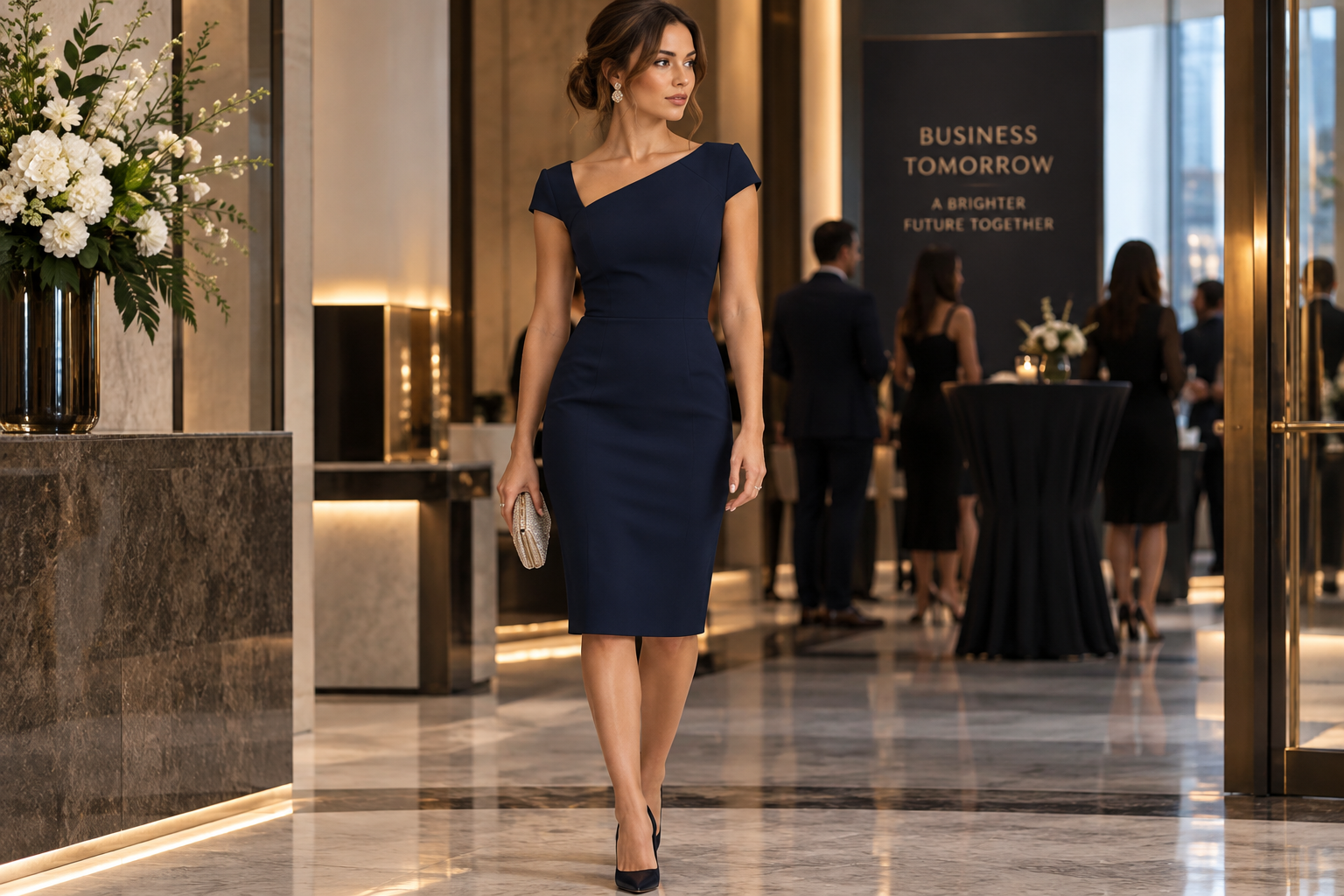
Chiclody's Navy Work Semi-Formal Dress combines a fitted knee-length silhouette with an asymmetric neckline, creating a look that stays professional while still feeling distinct enough for a business dinner, corporate reception or work celebration.
For this kind of occasion, think:
polished first, statement second.
That usually means one strong design feature rather than several competing elements.
4. For Cocktail Parties, You Can Turn Up the Personality
Semi-formal does not have to mean conservative.
At a cocktail party, birthday dinner, engagement party or celebratory evening event, the dress code leaves much more room for color and figure-enhancing details.
This is where ruching, slits, bolder colors and more body-conscious silhouettes can work beautifully.
The trick is maintaining balance.
If the dress has a slit, the neckline can remain relatively clean. If the color is bright, the accessories can become simpler. If the silhouette is fitted, an elegant midi length can keep the overall look refined.
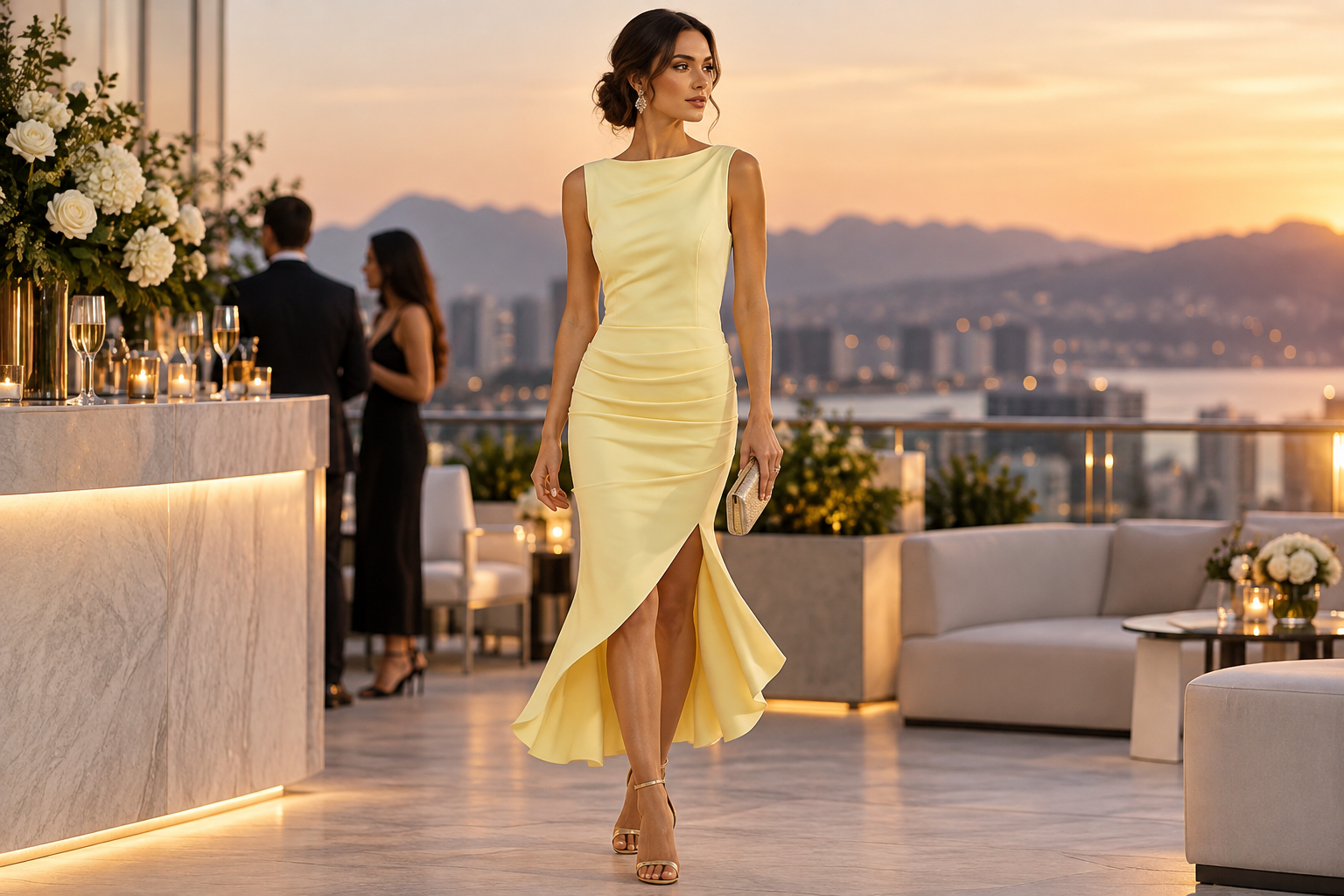
A light yellow sleeveless midi dress with waist ruching and a slit demonstrates that balance particularly well. The color creates personality, while the clean round neckline and midi proportion keep the design polished.
Semi-formal should never feel like a uniform.
It is a dress code with enough structure to look sophisticated—and enough freedom to still look like you.
5. Can You Wear a Maxi Dress to a Semi-Formal Event?
Yes—but the styling matters.
A maxi dress is not automatically formal.
Length is only one part of the equation.
A heavily embellished floor-length gown with a train may read as formal or black tie, while a streamlined maxi dress in a restrained fabric can still work beautifully for an elevated semi-formal evening.
Look at the entire design.
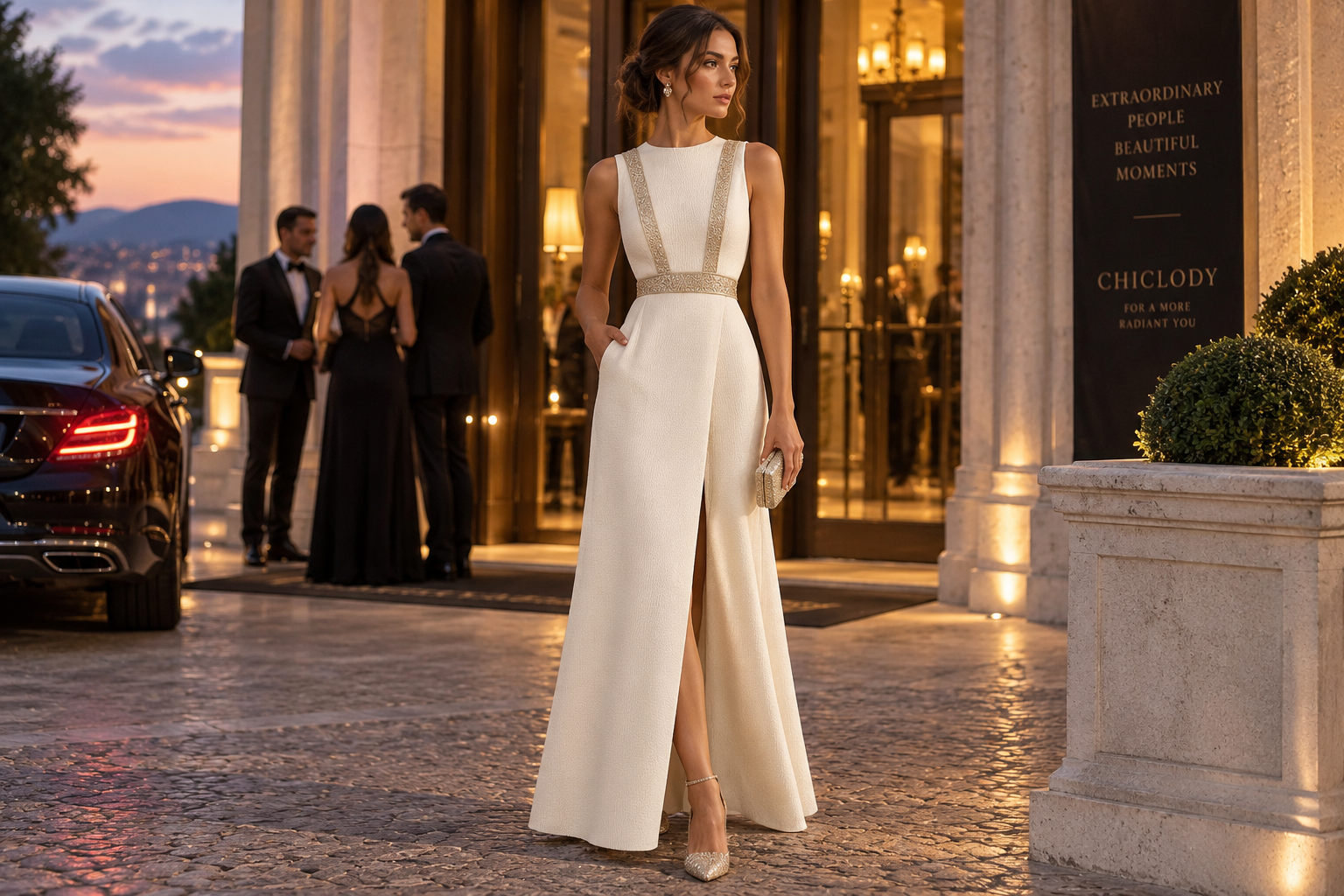
A clean sleeveless silhouette, subtle trim and controlled slit can make a longer dress feel sophisticated without turning it into a gala gown.
For example, Chiclody's beige sleeveless semi-formal maxi uses a relatively minimal round neckline, side slit and gold trim rather than elaborate beading or dramatic volume. The result sits comfortably on the dressier side of semi-formal.
A maxi is particularly useful when the event happens in the evening or at a more elevated venue and you want slightly more presence than a typical cocktail dress.
Semi-Formal vs. Cocktail: Is There Really a Difference?
The two dress codes overlap considerably.
In modern dressing, the same well-chosen midi dress may work perfectly for both a cocktail party and a semi-formal event.
The difference often comes down to context.
Cocktail attire generally encourages a slightly more celebratory, fashion-forward mood.
Semi-formal attire is a broader category. It can include cocktail parties, weddings, business events, receptions and dinners, meaning the exact styling changes depending on where you are going.
Rather than getting caught up in terminology, ask three questions:
Where is the event?
A rooftop cocktail party and a company awards dinner may both say semi-formal, but they call for different energy.
What time does it begin?
Daytime often favors softer fabrics, lighter colors and simpler accessories. Evening allows richer textures, deeper colors and stronger jewelry.
What will everyone be doing?
A seated dinner, wedding reception and networking event all require different levels of movement and practicality.
Dress for the actual event—not only the label on the invitation.
How to Style a Semi-Formal Dress
Once the dress is right, the accessories should support it rather than completely change its character.
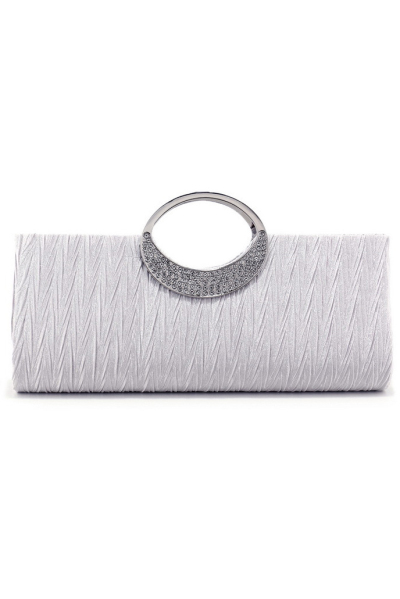
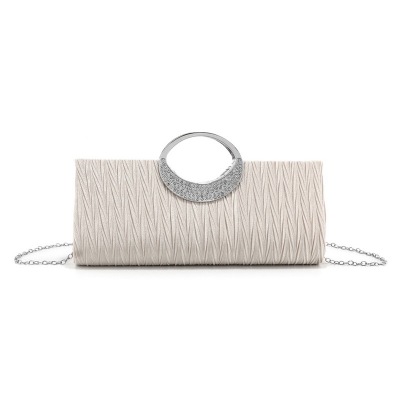
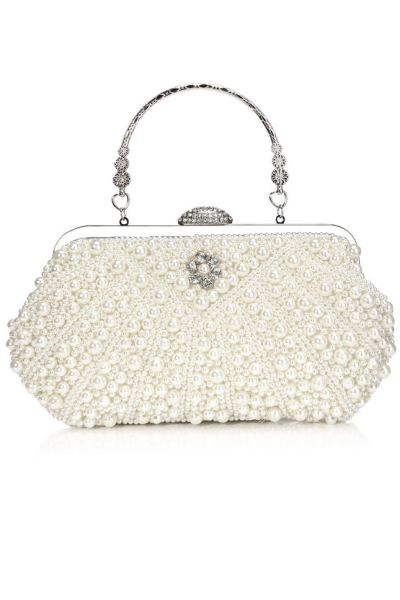
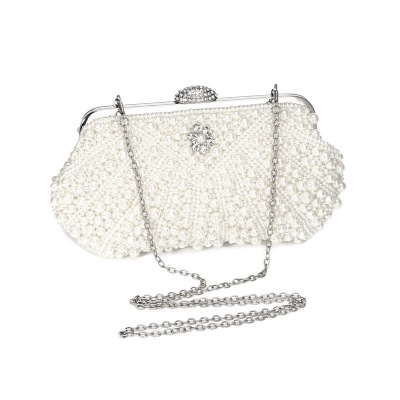
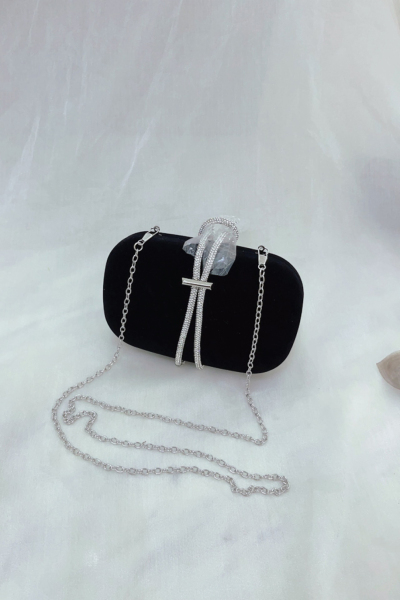
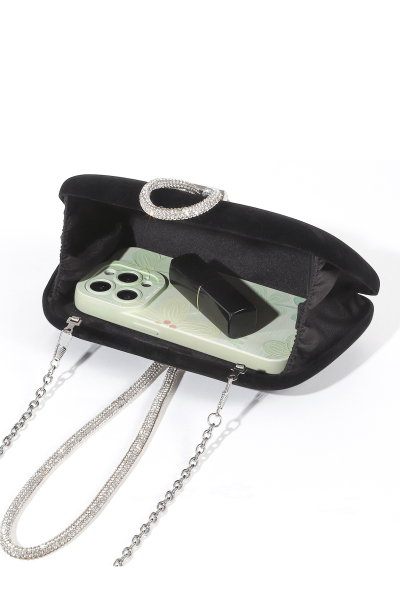
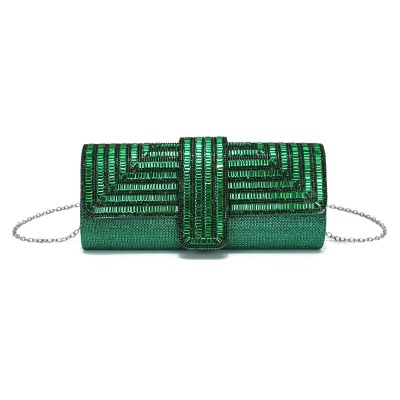
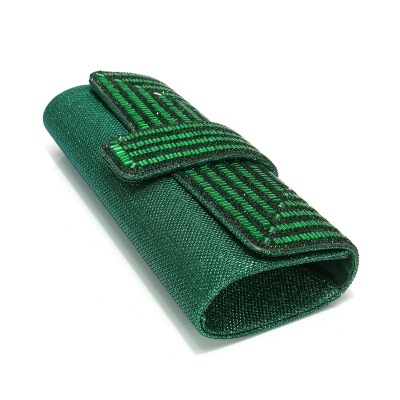
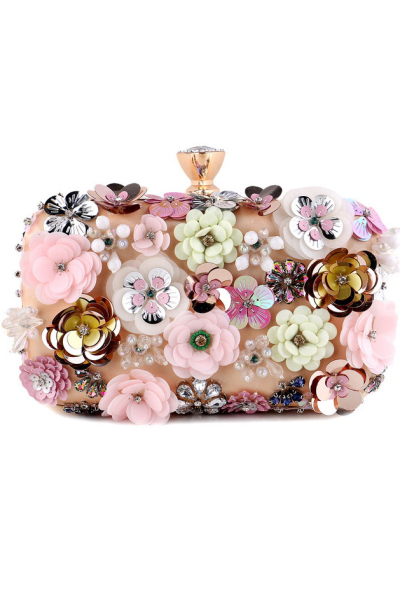
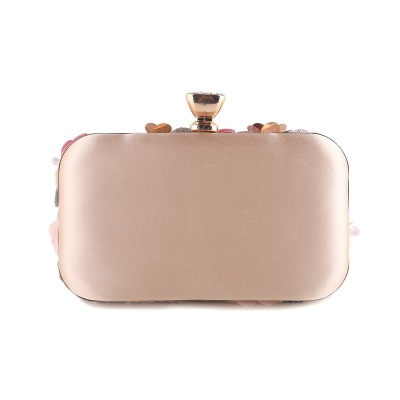
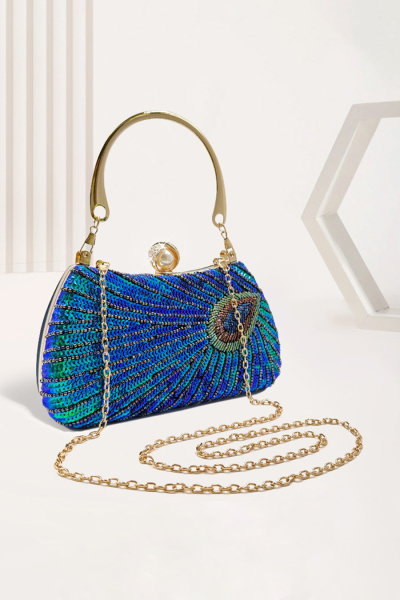
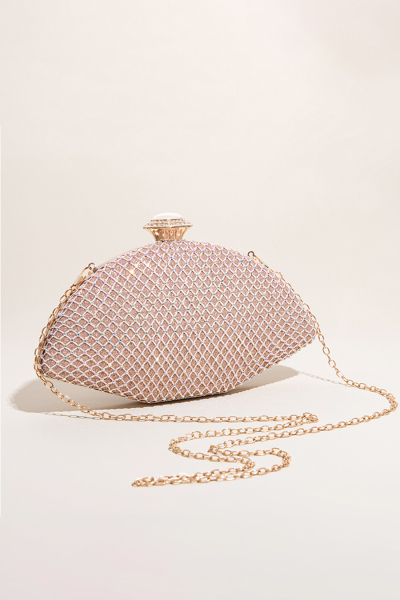
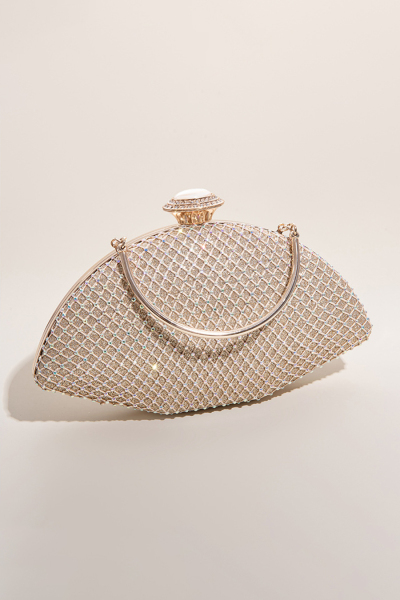
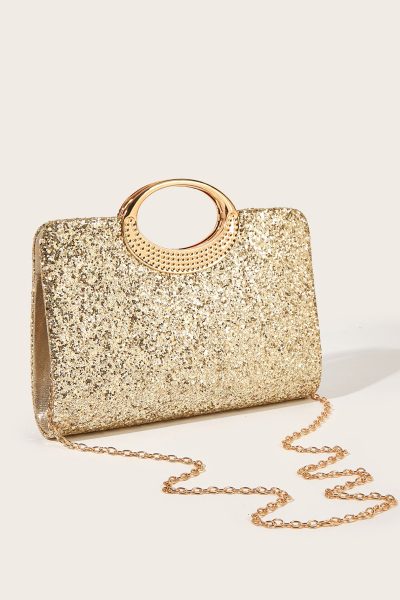
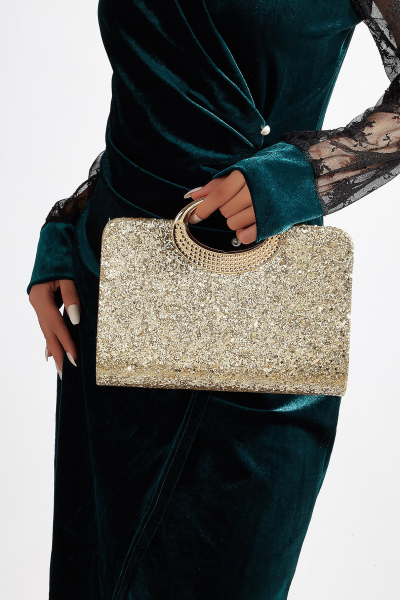
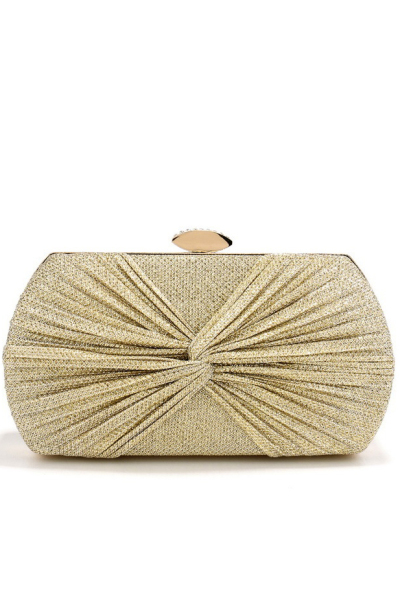
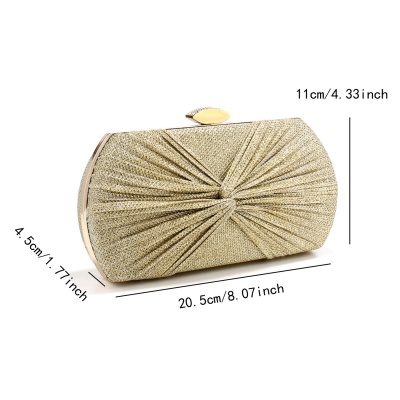
For most semi-formal occasions, a structured clutch or small evening bag works better than an oversized everyday tote.
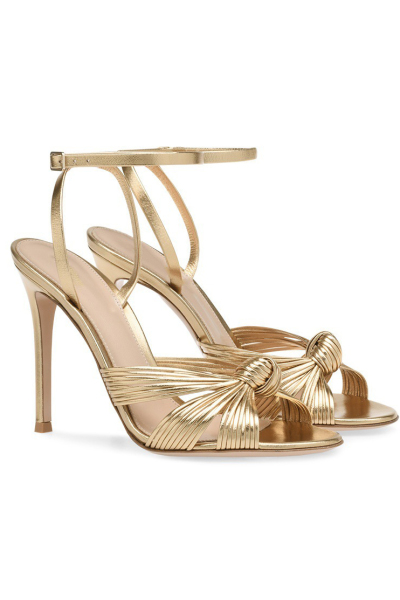
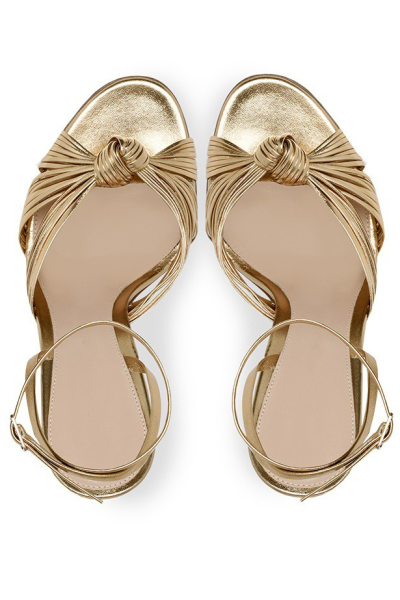
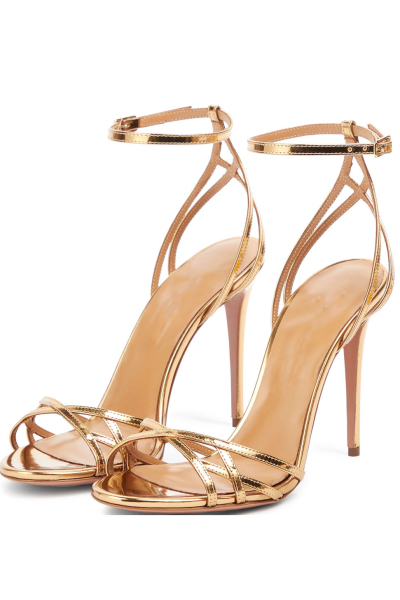
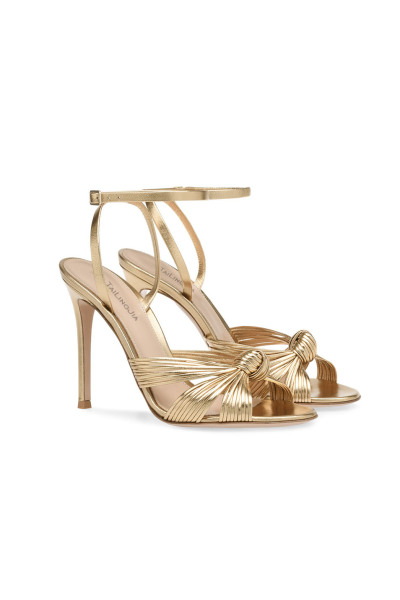
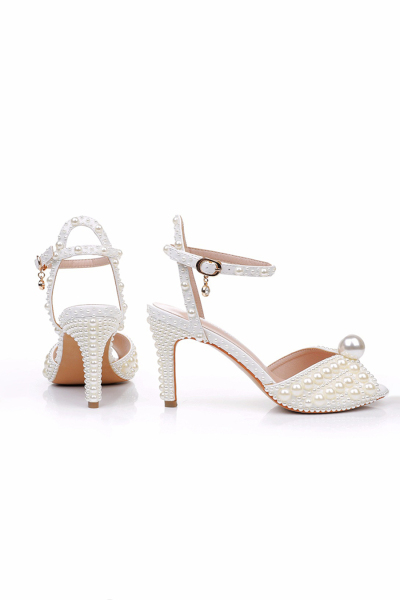
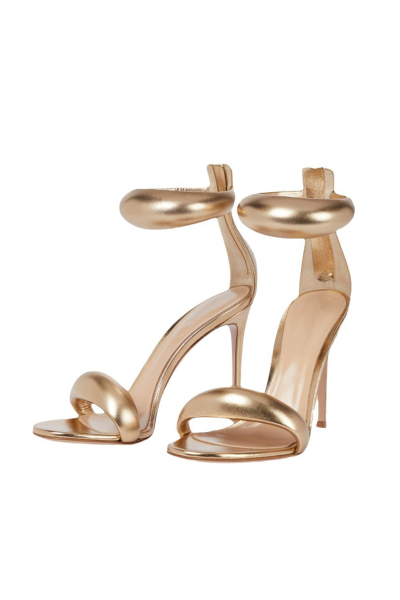
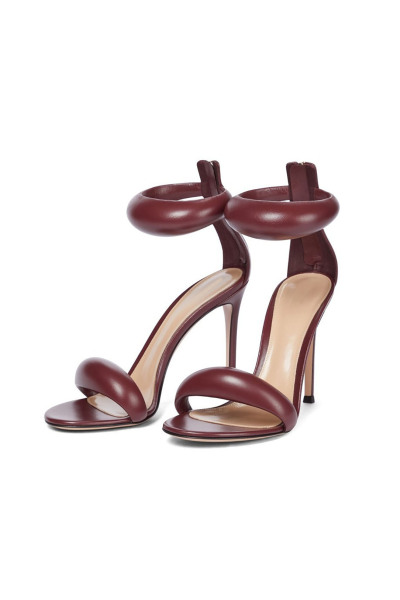
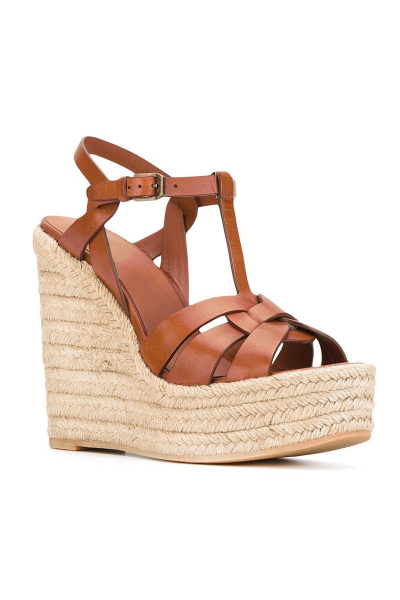
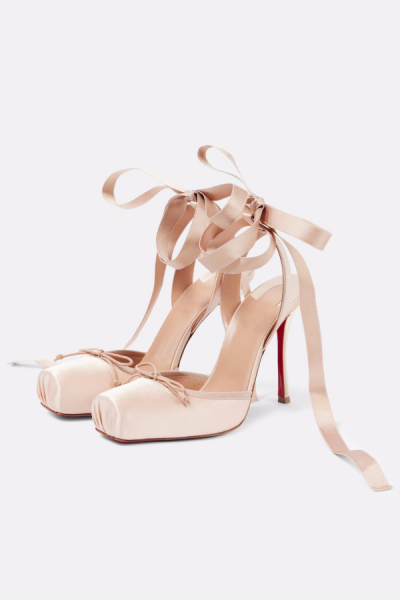
Heels are an easy choice, but elegant flats, slingbacks and refined sandals can also work depending on the venue.
Jewelry should follow the neckline.
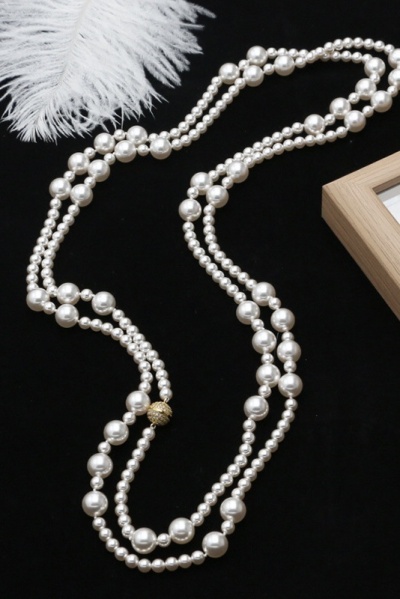
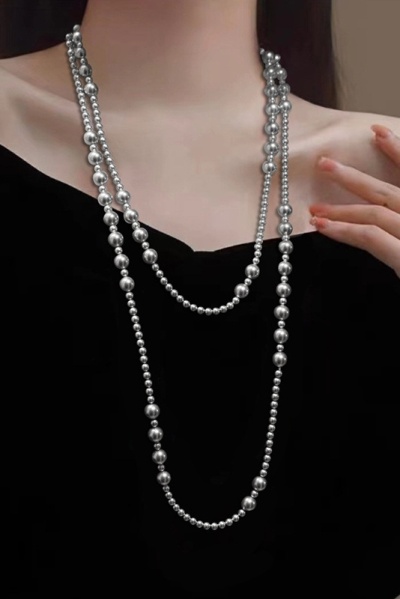
An asymmetric or one-shoulder dress often needs very little around the neck. An open V-neck may allow a delicate necklace. If the dress already includes draping, ruching, metallic trim or another statement detail, earrings may be enough.
The same principle applies to the rest of the outfit:
the dress establishes the level of formality; the accessories refine it.
The Chiclody Takeaway
Semi-formal dressing becomes much easier once you stop trying to find one universal “semi-formal dress.”
There isn't one.
A wedding asks for something different from a work reception. A daytime celebration feels different from an evening cocktail party. A fitted satin midi creates a different impression from a flowing chiffon dress.
What connects them is balance.
More polished than everyday. Less ceremonial than full formalwear.
Start with the occasion, then consider length, fabric and silhouette.
A knee-length asymmetric dress may be exactly right for one event. A chiffon midi may suit another. And when the venue calls for something slightly more elevated, even a restrained maxi can fit the dress code beautifully.
The best semi-formal dress is the one that feels intentional without feeling overdone.
For Women Who Mean It.
Explore Chiclody's Semi-Formal Dresses for wedding guest looks, party dresses, cocktail styles and polished occasionwear.